

VSEP Transforms Acid Management in Mining
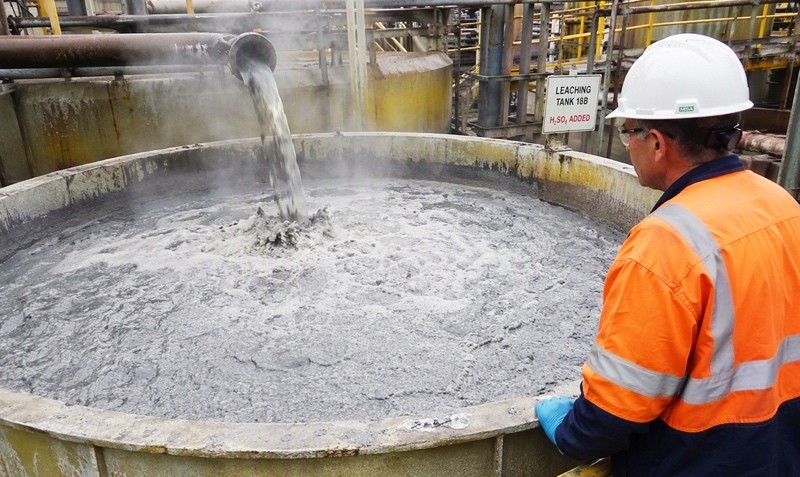
Acid leaching sits at the heart of modern hydrometallurgy, unlocking valuable metals from ores that would otherwise remain uneconomical. Sulfuric, hydrochloric, and phosphoric acids are routinely used to extract copper, uranium, nickel, rare earth elements, and more. Yet once the target metals are recovered, operations are left with a familiar and costly byproduct: spent acid leach solution. Despite still containing significant acid value, this stream is usually neutralized, effectively turning a reusable resource into a long-term liability.
This long-standing “use-once” approach to acid management presents serious operational challenges. Neutralization destroys acid that must then be replaced with fresh supply, driving up reagent costs while generating large volumes of sludge requiring disposal. Storage ponds, meanwhile, introduce environmental risk, regulatory burden, and future remediation costs. In both cases, mining companies are paying to manage waste instead of recovering value. VSEP nanofiltration offers a fundamentally different path, one that shifts acid management from disposal to continuous recycling. By purifying spent acid streams, VSEP allows operators to recover and reuse acid within the process, significantly reducing consumption and eliminating the need for neutralization.
At the core of this capability is a specialized, acid-tolerant nanofiltration membrane. Unlike conventional membranes limited by narrow pH ranges, VSEP membranes are engineered to withstand highly aggressive environments, operating in acid concentrations as high as 30%. These membranes selectively remove multivalent ions such as dissolved metals, calcium, magnesium, and other hardness components, while allowing the acid itself to pass through largely unaffected. The result is a purified acid stream that can be returned directly to the leach circuit.
What truly sets VSEP apart, however, is its vibratory shear technology. By applying rapid torsional oscillation to the membrane stack, VSEP generates extremely high shear forces at the membrane surface. This unique mechanism suppresses fouling and scaling, particularly gypsum formation, which is a persistent issue in carbonate-rich ore systems. The high-shear environment also enables stable flux rates, minimizes pretreatment requirements, and allows for simple cleaning using hot water rinses. Together, these features make VSEP uniquely suited for harsh, high-solids acid streams that typically overwhelm conventional filtration systems.
Field demonstrations and installations across mining and chemical processing operations have consistently shown high metal rejection rates—often between 50% and 95%—with minimal acid loss. Whether applied to sulfuric acid in copper or rare earth operations, or phosphoric acid in fertilizer production, the technology has proven its ability to perform under demanding real-world conditions.
As the mining industry faces increasing pressure to reduce environmental impact and improve resource efficiency, technologies like VSEP are redefining what’s possible. By turning spent acid from a liability into a reusable asset.
How the Mississippi River Creates a Gulf Dead Zone
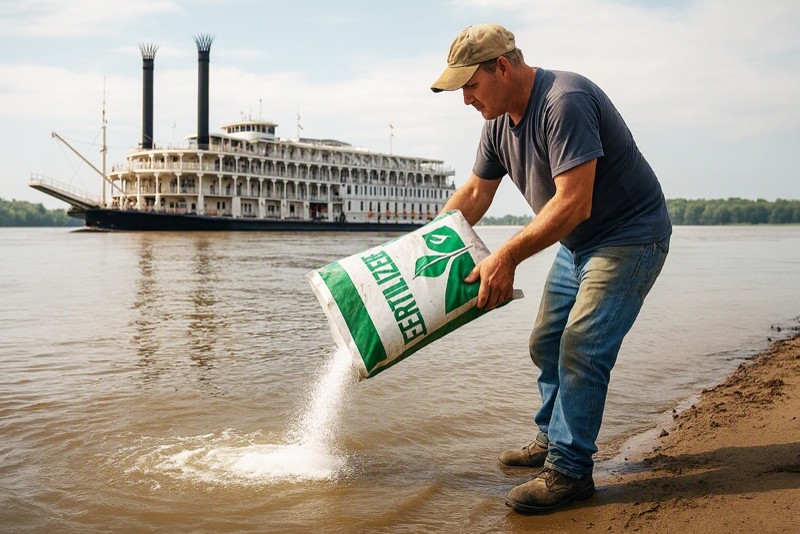
When we think about wastewater treatment, we tend to focus the local impact. For decades, treatment systems have been optimized to remove biochemical oxygen demand (BOD), the organic material that can directly strip oxygen from receiving waters and suffocate aquatic life. That regulatory focus is warranted. But accumulation of other oxygen depleting nutrients is not regulated and poses an even bigger ecosystem challenge. The Mississippi River is not just a river, it is the drainage system for nearly half of the United States, collecting water from more than 30 states and funneling it south to the delta at the Gulf. Every discharge, whether runoff from farmland, a sewage treatment plant, or an industrial corridor, releases dissolved solids, including nutrients such as nitrogen and phosphorus. As tributaries merge into larger rivers, and eventually into the Mississippi itself, those nutrient concentrations increase. By the time the water reaches Louisiana, it reflects the combined upstream discharge of an entire continent.
Unlike BOD, which acts locally and can be reduced through conventional treatment, nitrogen and phosphorus are typically not removed by a municipal wastewater plants (POTW). They are not pollutants in the traditional sense, they are fertilizers. When discharged from a POTW they remain in dissolved form and travel long distances downstream. They bypass regulation because most treatment systems are not designed or even required to remove them. The consequences of this accumulation is where the Mississippi River meets the Gulf of Mexico. Each summer, the influx of nutrients fuels massive algal blooms in coastal waters. When the algae dies, it sinks and is decomposed by bacteria that consume oxygen in the process. The result is hypoxia, low oxygen conditions that can no longer support marine life.
This process creates the Gulf “dead zone,” a seasonal area of oxygen-depleted water that can span thousands of square miles or about the size of New Jersey. Fish, shrimp, and crabs either flee the area or perish, while bottom-dwelling organisms are simply wiped out. The ecological and economic impacts ripple across fisheries, tourism, and coastal communities.
Agriculture is the largest contributor of nutrients to the system through fertilizer runoff. But it is also the most difficult source to control. In contrast, municipal and industrial discharges are concentrated, measurable, and regulated point sources. These facilities already operate under stringent discharge permits for BOD. Extending regulations to include nutrients could produce meaningful ecological benefits.
The paradox is that POTWs are heavily regulated for BOD because it depletes the discharge water body of oxygen. Yet nutrients, nitrogen and phosphorus, do the same thing indirectly on a much larger scale by causing algae blooms. But, there is no discharge regulation for nutrients. While we have solved the problem of acute oxygen depletion near discharge points, we have not addressed the cumulative impacts of nutrients that cause dead zones for aquatic life in the Mississippi delta, Lake Erie, and elsewhere.
Powering Forward: Proven VSEP Performance Signals a New Era for Coal Plants
In an energy market defined by rising demand and renewed focus on grid reliability, coal-fired power plants are proving their continued value. While many coal plants were once slated for retirement, dozens are now extending operations or postponing closures indefinitely to ensure consistent, dispatchable power even in extreme cold, where other fuel sources can falter. As these plants adapt to a longer operating horizon, they are upgrading for cost-effective environmental compliance solutions.
At the center of this transition is a breakthrough in wastewater treatment technology. New Logic’s VSEP membrane system is redefining what’s possible in industrial wastewater treatment. Unlike conventional membrane systems that struggle with fouling and scaling, VSEP uses high-frequency vibration to keep the membrane surface clean, enabling sustained high flux, superior recovery, and stable long-term operation, even in the most challenging effluents. Flue Gas Desulfurization (FGD) wastewater is among the most difficult to treat, loaded with gypsum and contaminants like mercury, arsenic, selenium. Yet VSEP has demonstrated exceptional performance where traditional systems fail, making it uniquely suited for coal plant compliance with EPA Effluent Limitation Guidelines (ELG).
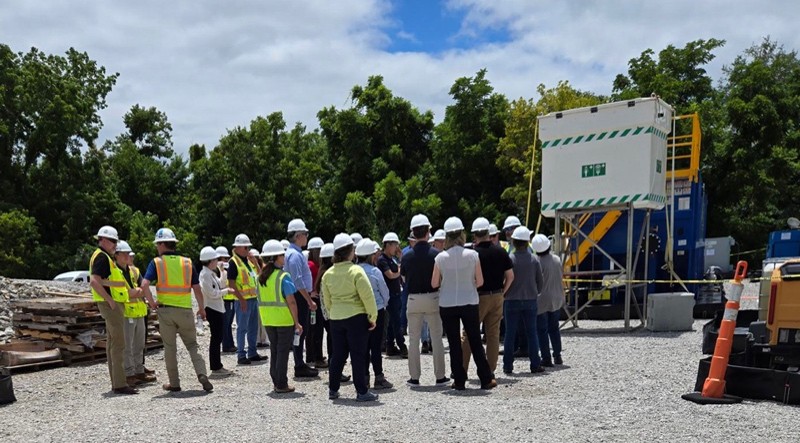
New Logic is proud to announce the successful completion of a full-scale VSEP pilot demonstration at a power plant, one of the largest coal-fired facilities in the United States and a flagship example of extended plant operation. Over the course of the pilot, the VSEP system consistently delivered stable flux performance without the rapid decline typical of conventional membranes. The VSEP demonstrated reliable contaminant removal, with treated water meeting all EPA ELG discharge requirements.
The pilot drew significant attention across the power generation sector. The site hosted dozens of stakeholders, including representatives from the EPA, elected officials, industry engineers, and media outlets. Operators from other coal plants facing similar compliance challenges attended to see the system in action, underscoring the widespread need for proven, deployable solutions. VSEP’s performance reinforces its designation as a Best Available Technology (BAT) by the EPA for treating FGD wastewater, providing plant operators with confidence in both regulatory acceptance and operational reliability.
As utilities weigh the economics of extending existing plant life versus building new generation, technologies like VSEP offer a compelling advantage. Upgrading existing assets is significantly less capital-intensive than new construction, and effective wastewater treatment is a critical piece of that equation. With VSEP, coal plants can meet stringent environmental regulations, extend asset life with lower capital investment, and reduce total cost impacts to consumers. The successful VSEP pilot marks an important milestone, not just for New Logic, but for the broader power industry. As coal plants continue to play a vital role in grid stability, solutions like VSEP ensure they can do so responsibly, efficiently, and economically. Reliable power and environmental compliance no longer need to be competing priorities. With VSEP, they move forward together.
When Government Forgets Its Job: Lessons Learned

The prime directive of government should be simple: protect its people and build the infrastructure required for a functioning society. These are things that individuals cannot do by themselves. At the top of that list is water with resilient access to it. Without water, economies fail, public health collapses, agriculture dies, and people suffer. History shows what happens when governments fail in their primary purpose, and few examples demonstrate it more than the Dust Bowl of the 1930s.
In Oklahoma and across the southern Great Plains, the Dust Bowl was not just a natural disaster. It was a failure of planning. Mother Nature may have delivered the drought, but government did not plan and was unprepared and slow to respond. The result was one of the largest migrations in American history and immense human suffering that could have been avoided had water and land been treated as the critical resources they are. For decades before the 1930s, the Great Plains had been aggressively farmed as if consistent rainfall was guaranteed. Native prairie grasses, which anchored soil and conserved moisture, were plowed under. There was little understanding of long-term hydrologic risk or drought cycles. There was no serious investment in water infrastructure. There were no reservoirs, no regional planning, no backup systems for years. And then the rains stopped.
What followed was predictable. Crops failed. Wells went dry. Soil turned to dust. Windstorms carried entire farms into the air. Families with homesteads built over generations watched their land become uninhabitable. With no water and no viable livelihood, people left by the millions. Oklahoma alone lost 20% of its population as families migrated west in search of work and survival. This wasn’t inevitable. Droughts are not anomalies; they are recurring facts of climate. What made the Dust Bowl catastrophic was the absence of resilience planning. Government had not planned for variability, had not invested in water systems, and had not treated infrastructure as its obligation. Government action eventually came. Large reservoirs, irrigation projects, soil conservation programs all came after the collapse, not before. By the time government responded, irreparable damage had been done to families, communities, and regional stability.
This raises the question: what is government for? Too often, governments appear more focused on events half a world away or in political causes. These pursuits may get officials elected, but, should not be the primary role. Governments should exist to build and maintain the physical systems that allow society to function without massive disruptions and suffering. Water infrastructure is not glamorous. Reservoirs don’t generate headlines or get people elected. Aquifer management doesn’t win viral attention. But when water systems fail or never exist in the first place, the consequences are immediate and severe.
Today, as regions again face water scarcity, population growth, and climate variability, the lesson is clear. The question is not whether droughts will occur, but whether governments will plan for them or repeat history by reacting too late. The purpose of government is not control for its own sake. It is stewardship: of land, water, infrastructure, and the collective future. When that mission is forgotten, the results are not abstract. They are dust storms, empty towns, broken families, and forced migration.
More Than a Sieve: Understanding the Complexity of RO Membrane Separation
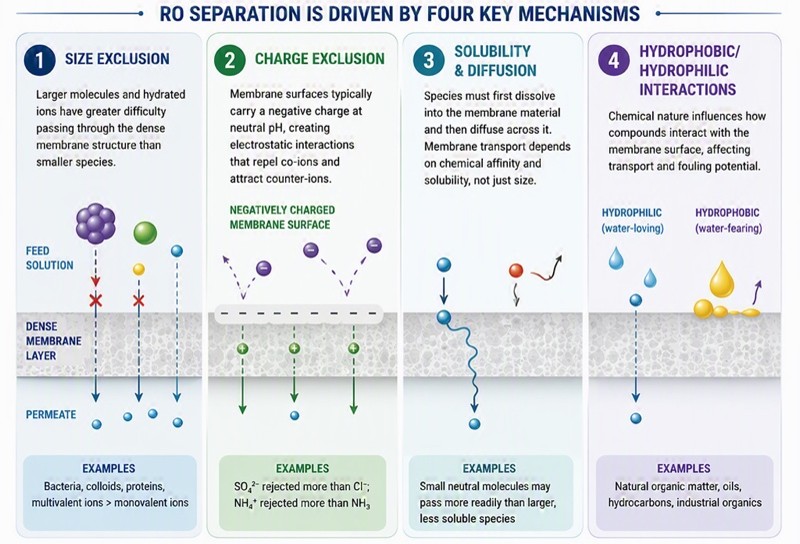
One of the most common misconceptions in water and wastewater treatment is that reverse osmosis (RO) membranes function as extremely fine filters that simply strain out contaminants based on size. While size exclusion is certainly an important mechanism, RO performance is governed by a much more complex combination of molecular size, ionic charge, polarity, hydration energy, membrane chemistry, and solution conditions. A polar molecule has an uneven distribution of electrical charge, creating regions that are slightly positive and slightly negative even though the molecule is neutral overall. Water is the most familiar example and owes many of its unique properties to its highly polar structure. In contrast, ions have an actual net electrical charge. Common water constituents such as sodium (Na⁺), calcium (Ca²⁺), chloride (Cl⁻), and sulfate (SO₄²⁻) are charged ions that interact strongly with membrane surfaces and the surrounding water molecules. The complexity of membrane separation arises because RO membranes do not rely on a single rejection mechanism. Instead, several mechanisms operate simultaneously.
Size exclusion is the mechanism most people associate with membrane filtration. Larger molecules have greater difficulty passing through the dense polymer structure of an RO membrane than smaller species. However, size alone does not fully explain observed rejection rates. Two contaminants with similar molecular dimensions can exhibit significantly different membrane passage characteristics. Membrane surfaces normally carry a negative electrical charge. As charged ions approach the membrane surface, electrostatic interactions influence their transport. Negatively charged anions are rejected and because of Donnan equilibrium, a positively charge cations will be rejected with it. The greater the ionic charge, the greater the rejection will be. For example, divalent sulfate will be rejected at a higher rate than monovalent chloride. Charge effects frequently play a larger role in rejection performance than molecular size alone.
RO membranes function according to the solution-diffusion model rather than simple sieving. For a dissolved species to permeate the membrane, it must first dissolve into the membrane material and then diffuse through it. As a result, membrane transport is influenced by chemical affinity and solubility characteristics, not merely physical dimensions. Some relatively small molecules may exhibit lower passage rates than expected because they possess limited solubility within the membrane matrix.
Hydrophilic (water-attracting) membranes interact differently with dissolved compounds than hydrophobic (water-repelling) materials. Polar compounds, non-polar organics, oils, natural organic matter, and various industrial contaminants may display different transport and fouling behaviors depending on their affinity for the membrane surface.
For process engineers, the key takeaway is that successful membrane system design and operation require consideration of size exclusion, charge exclusion, solubility and diffusion, and hydrophobic/hydrophilic interactions happening simultaneously. Recognizing the interplay among these mechanisms is essential for achieving reliable long-term performance in advanced water and wastewater treatment systems.
Rare Earth Processing Comes Home, But So Do the Environmental Challenges
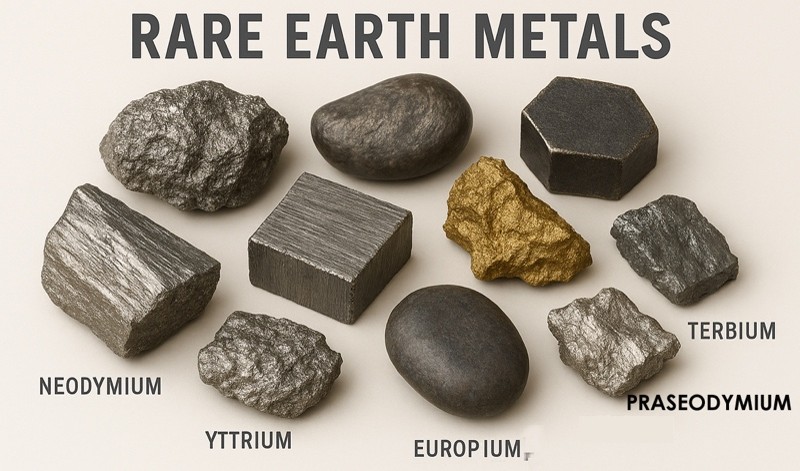
For years, the world’s rare earth element (REE) supply chain has been dominated by China, not because rare earth deposits exist only there, but because China built the complex processing infrastructure needed to separate and refine these strategically important metals. One reason this dominance developed is that REE processing can generate hazardous acidic wastewater streams, often including radioactive ions. As the United States, Australia, and other countries work to establish domestic rare-earth supply chains, environmental stewardship will increasingly become a key factor in project permitting and public acceptance.
The rare earth separation process begins when mined ore is concentrated and chemically leached, typically using sulfuric acid, hydrochloric acid, or caustic solutions. This creates a pregnant leach solution containing dissolved rare earths along with iron, aluminum, calcium, magnesium, and other impurities. After purification steps remove many of these contaminants, the mixed rare earth solution enters a solvent extraction (SX) circuit where organic extractants selectively separate individual rare earth elements through hundreds of mixer-settler stages.
This process produces multiple wastewater streams including leach residue wash water, impurity-removal effluents, solvent extraction raffinate, and stripping-circuit bleed streams. Many of these streams contain elevated concentrations of sulfate, chloride, sodium, calcium, magnesium, ammonium, residual acidity, and dissolved metals. Neutralization of acidic streams can further increase total dissolved solids (TDS), creating wastewaters that are difficult to discharge and expensive to manage.
As new processing facilities are proposed in the United States, regulators and local communities will expect far greater accountability for water use and wastewater disposal than has historically existed in some overseas operations. Projects that can demonstrate water recycling, reduced liquid discharge, and minimization of waste volumes will have a significant advantage during environmental review and permitting. This is where advanced membrane technologies such as VSEP can play an important role. Conventional membrane systems struggle with the high scaling potential, elevated TDS, suspended solids, and organics commonly found in rare-earth processing streams. VSEP technology’s intense shear conditions help control membrane fouling and enable treatment of difficult industrial wastewaters that would challenge traditional systems.
A large Rare Earths mine is currently finalizing the purchase of a specialized VSEP nanofiltration (NF) system designed to recycle acid from a solvent extraction raffinate stream. By recovering and returning acid to the process, operators can reduce chemical consumption, decrease wastewater generation, and improve overall sustainability. As Western nations build the next generation of rare-earth processing plants, environmental performance will be just as important as metallurgical efficiency. Technologies that recycle water, recover valuable reagents, and minimize wastewater liabilities can help transform rare-earth processing from an environmental concern into a sustainable component of the domestic critical-minerals supply chain.
Wastewater – The Hidden Constraint in Biofuels

Process engineers in the biofuels sector are already well acquainted with a fundamental reality: these facilities operate at a structural disadvantage compared to conventional hydrocarbons. Unlike oil and gas, where capital is front-loaded and marginal operating costs drop dramatically once production begins, biofuel plants are continuous manufacturing operations. Every gallon of ethanol, biodiesel, renewable diesel, or SAF carries ongoing costs, feedstock, energy, chemicals, and labor, that must be tightly controlled to remain competitive, even with subsidies and mandates for use. In that context, most process optimization efforts focus on yield, conversion efficiency, and energy consumption. Yet one of the most consequential and often underestimated variables lies in the hidden output. These facilities produce fuel, but they also generate large amounts of strong effluent. In nearly all biofuel plants, process water becomes heavily contaminated. These streams are characterized by high COD, high TDS, and strong fouling potential, conditions that fall well outside the comfort zone of conventional biological systems or standard membrane treatment.
From a design perspective, wastewater handling is frequently treated as a secondary system. Assumptions are made: discharge to a POTW, partial biological treatment, land apply, or reliance on evaporation. But as many engineers have experienced firsthand, those assumptions often break down in practice. Feedstock variability, tighter discharge permits, and the cumulative effect of salts and organics can push these systems beyond their operational limits. The consequence is not just higher operating expense, it is operational instability and regulatory risk. Discharge non-compliance is one of the few events that can directly halt production. Unlike a minor process upset, a permit violation can trigger fines, forced shutdowns, or long-term consent decrees. For facilities whose revenue depends on continuous operation and qualification for environmental credits, this is not a marginal issue. It is existential.
VSEP RO offers a fundamentally different approach to these difficult streams. By introducing high-frequency shear at the membrane surface, VSEP mitigates the boundary layer fouling that limits conventional filtration. This allows it to process high-solids, high-organic, and scaling-prone effluents that would otherwise be unmanageable with traditional RO systems. For the process engineer, the value of this capability extends beyond treatment performance. It provides operational decoupling. Production rates no longer need to be constrained by discharge limitations. Feedstock flexibility improves, enabling the use of lower-cost or higher-strength inputs. Water recovery increases, reducing fresh water demand and supporting reuse strategies. Most importantly, it introduces predictability into a part of the system that is often anything but predictable.
In an industry where margins are narrow and revenue streams are tightly linked to regulatory compliance, that predictability has real economic value. It protects uptime, stabilizes operating costs, and reduces exposure to environmental risk. As biofuel technologies continue to evolve, one insight is becoming increasingly clear: these facilities are not just fuel production plants, they are integrated resource recovery systems. And in that system, wastewater is not a side issue. It is a defining constraint.
California Chooses Restrictions Over New Reservoirs
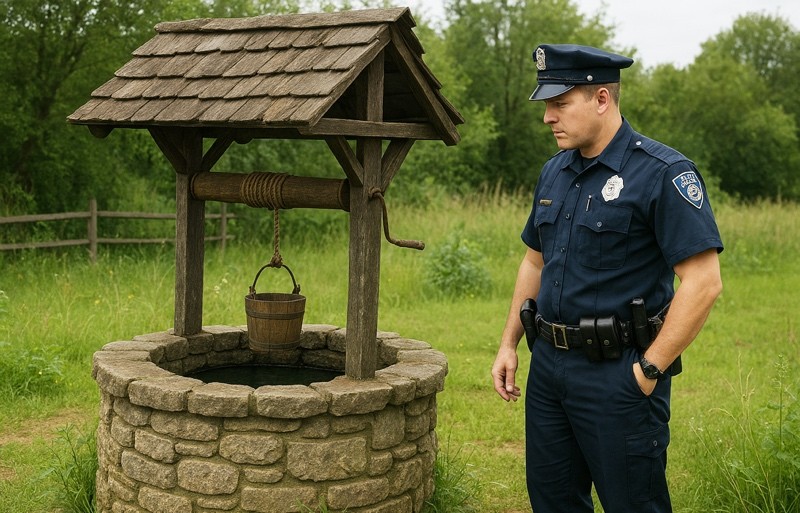
California’s relationship with water has always been complex. Despite a growing population, expanding agriculture, and rising industrial demand, the state has not constructed a major new water storage reservoir in almost 60 years. Despite voters overwhelmingly approving bond measures that were advertised as approving building more storage capacity more than a decade ago, the money allocated was used for other resource management. The State has clearly indicated its intent to not build any new reservoirs and instead implement water conservation and restrictions to deal with increasing demand. As a result, the cost of water has increased and fertile farmland has gone fallow. In the absence of new infrastructure, users have turned the only option available: groundwater. This underground supply functions as a hidden reserve, out of sight and largely unregulated. In regions like the Central Valley, it became the backbone of agricultural production. I visited a winery there and learned that they were pumping roughly 1,000 gallons per minute from groundwater. Multiply that across thousands of farms and facilities, and the scale of extraction becomes staggering. In the San Joaquin Valley, groundwater pumping has far exceeded natural recharge rates. The result has been widespread land subsidence. This not only damages infrastructure, roads, canals, pipelines, but also permanently reduces the aquifer’s storage capacity. What once served as a reserve for drought years is being diminished year after year.
California has made a distinct policy choice. Rather than significantly expanding surface storage or conveyance infrastructure, the state has decided conservation, regulation, and pricing mechanisms are the best way to manage demand. In Napa County, for example, a new groundwater sustainability fee now applies to households with private wells as well as vineyards. Historically, well water in many parts of California was essentially free once the well was drilled. That era is ending. Fees are now being assessed at a rate of $99 per acre, regardless of whether users have already invested heavily in conservation practices such as drip irrigation or precision agriculture. For many vineyard owners, this represents a fundamental change in the economics of water.
The broader message is clear: water, no matter where it is taken, will no longer be treated as a low-cost input. Instead, it is becoming a managed and increasingly expensive resource. Restrictions, monitoring, and rising fees are the tools California has chosen to address its groundwater imbalance.
For industries that depend on reliable water supplies, whether agriculture, food and beverage production, or industrial processing, this shift will require adaptation. Conservation alone, while essential, may not be sufficient to offset both regulatory pressure and rising costs. The next step is rethinking how water is sourced, used, and reused within operations.
Systems such as VSEP offer a pathway to recover and reuse water from challenging waste streams that were previously uneconomical to treat. By enabling higher recovery rates and reducing discharge volumes, these systems can help facilities reduce their dependence on freshwater extraction while also lowering compliance risks. As regulations tighten and the true cost of groundwater emerges, businesses that invest early in water efficiency and recycling will be better positioned to thrive.
Wastewater Standards for POTWs vs. Hatcheries
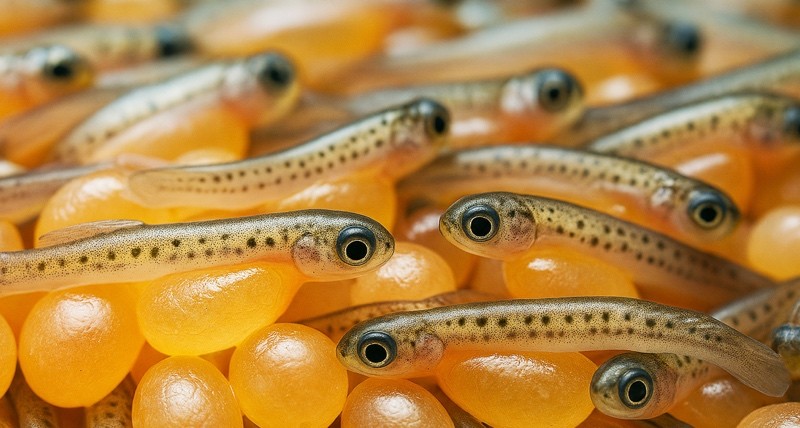
Across California, municipal wastewater plants, aquaculture facilities, and fish hatcheries all manage the same fundamental materials: organic waste, feces, and nutrients. Yet the way each is regulated and treated before discharge into rivers and reservoirs varies dramatically. Publicly Owned Treatment Works (POTWs) are held to some of the most stringent discharge standards in the country. Their permits require defined numeric limits for biochemical oxygen demand (BOD), total suspended solids (TSS), nutrients, and pathogens. In effect, POTWs are designed to actively remove contaminants and demonstrate performance before water is released back into the environment.
By contrast, fish hatcheries and aquaculture facilities have operated under a very different regulatory approach. Permits emphasize best management practices rather than strict numeric discharge limits. Instead of full biological treatment systems, most hatcheries rely on relatively simple processes such as settling basins, raceway design, and mechanical screening to remove solids. However, this is changing and these facilities are having their permits tightened with each renewal. Soon technology based numeric limits will apply. This has already begun at the Hot Creek Hatchery which will now need to meet a 0.3 mg/L nitrogen rule. Hot Creek is a tributary to the Owens River system near Mammoth Lakes in California.
The previous difference reflects a long-standing assumption: hatchery effluent is lower strength than municipal wastewater and is discharged into large rivers it can be diluted. Hatcheries typically use high-quality source water and generate waste primarily from uneaten feed and fish feces. While wild fish are present in all natural water systems, hatcheries concentrate thousands or even millions of fish in confined areas, creating localized waste loads. Hatchery wastewater contains suspended solids, organic material, nitrogen, and phosphorus, all of which can contribute to oxygen depletion in receiving waters. Nutrient loading can stimulate algal growth downstream, affecting drinking water sources by increasing treatment complexity and cost.
California’s water systems are changing. Reduced snowpack, drought conditions, and increasing demand are lowering dilution capacity, while regulatory agencies are taking a closer look at cumulative impacts from all sources, including hatcheries. As a result, there is growing recognition that the traditional “dilute and discharge” model may no longer be adequate. Future regulatory trends are likely to shift toward more performance-based standards for hatcheries, including tighter limits on turbidity, nutrients, and possibly even oxygen-demanding substances. This could drive the adoption of more advanced treatment technologies that bridge the gap between traditional hatchery operations and municipal wastewater treatment.
California is entering a phase where all dischargers are being evaluated through the same lens. For hatcheries, that means moving beyond dilution alone and toward more intentional management of the waste they generate, especially as those rivers increasingly serve as both ecological lifelines and critical sources of drinking water.
The Particles that Refuse to Settle
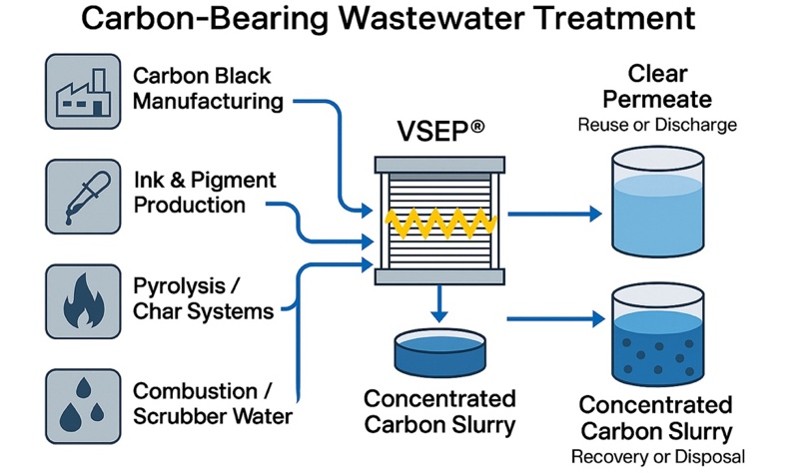
Wastewater streams contaminated with ultrafine carbon particles have emerged as one of the most persistent and technically challenging treatment problems. From carbon black manufacturing and graphite production to ink formulation, pyrolysis systems, and combustion scrubbing, these operations all generate what can broadly be called “carbon fines” wastewater, streams laden with sub‑micron, hydrophobic carbon particles that behave more like stable colloids than conventional solids. These carbon materials originate in different ways depending on the process. In furnace and thermal black plants, carbon black particles are intentionally produced and later washed from process equipment. Ink and pigment facilities create finely dispersed carbon particles as part of product formulation and washing steps. Pyrolysis and char systems generate carbon residues as organic materials thermally decompose. Even high‑temperature treatment of hazardous or radioactive waste can yield carbon-laden condensates. Despite their diverse origins, the wastewater challenge is remarkably consistent: extremely fine particles, often between 0.01 and 1 micron, that are low in density, chemically stable, and resistant to aggregation.
These properties make conventional treatment technologies ineffective. Clarifiers and settling basins fail because the particles simply do not settle within reasonable timeframes. Centrifuges struggle because the density difference between carbon particles and water is too small to generate meaningful separation. Media filters allow the particles to pass through due to their tiny size, while traditional membrane systems quickly foul as hydrophobic carbon adheres to surfaces and builds impermeable cake layers. In many cases, large doses of coagulants are required just to achieve partial removal, creating additional sludge and cost.
This is precisely where VSEP ultrafiltration distinguishes itself. Rather than relying solely on crossflow velocity like traditional membrane systems, VSEP applies high-frequency vibratory shear directly at the membrane surface. This motion continuously disrupts the boundary layer where fouling would otherwise occur, effectively sweeping carbon particles away before they can accumulate. As a result, VSEP maintains stable flux even in highly concentrated carbon slurries where other systems rapidly fail. VSEP enables efficient dewatering of carbon fines, concentrating dilute suspensions into thick slurries suitable for disposal, reuse, or recovery. Second, it produces a clear permeate free of suspended carbon, which can be reused in the process or discharged in compliance with regulations. Just as importantly, VSEP typically operates without the need for chemical additives, reducing both operating costs and secondary waste generation.
VSEP also excels in washing applications such as diafiltration, where soluble compounds must be removed from carbon particles. Its ability to maintain performance in the presence of hydrophobic, fouling-prone materials makes it uniquely suited for these tasks. Decades of field applications have demonstrated that VSEP is not just an incremental improvement, but a step change in capability. By decoupling separation efficiency from particle density and overcoming fouling through mechanical shear, it provides a robust, controllable, and scalable solution to one of industry’s most difficult wastewater challenges.
Jordan’s National Water Carrier: A Project That Cannot Wait
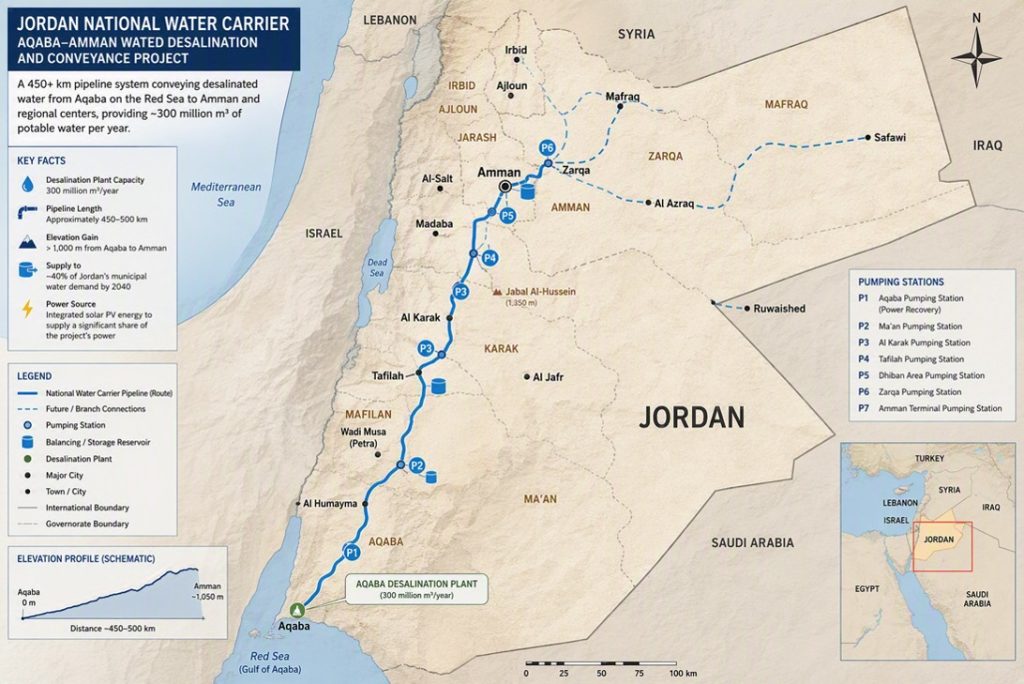
For water professionals, few projects illustrate the intersection of infrastructure, desalination technology, water security, and climate resilience as clearly as Jordan’s National Water Carrier project, formally known as the Aqaba-Amman Water Desalination and Conveyance Project. More than a major capital investment, this project represents a national response to one of the most severe water crises in the world. Jordan’s renewable freshwater resources can no longer meet growing demand, and the gap continues to widen under the combined pressures of population growth, urbanization, and groundwater depletion.
At the heart of the initiative is a large-scale reverse osmosis desalination facility on the Gulf of Aqaba. Designed to produce approximately 300 million cubic meters of potable water annually, the plant will transform Red Sea seawater into a reliable municipal supply capable of meeting a substantial portion of Jordan’s future drinking water demand. The scale is remarkable. Once operational, the system is expected to provide roughly 40 percent of the country’s municipal water requirements, making it one of the most significant desalination developments currently underway in the region.
What makes the project particularly noteworthy is not only the desalination capacity, but the conveyance challenge that follows. Water must be transported 450 kilometers from Aqaba in southern Jordan to Amman and other highland population centers. The pipeline system will traverse difficult terrain while overcoming elevation gains exceeding 1,000 meters. To accomplish this, the project incorporates extensive pumping infrastructure, storage facilities, transmission pipelines, and operational controls designed to ensure reliable delivery under demanding hydraulic conditions.
The urgency of this investment becomes clear when viewed against Jordan’s existing water portfolio. The country has relied heavily on overstressed groundwater resources and imported or transboundary water supplies, both of which face increasing uncertainty. Aquifers are under growing pressure, drought conditions are becoming more frequent, and conventional water resources are no longer sufficient to support long-term economic and population growth. The National Water Carrier creates a new, climate-resilient water source independent of rainfall variability and capable of delivering predictable volumes year after year.
Energy demands are also being addressed through the integration of large-scale renewable power resources, including solar generation that is expected to supply a significant share of the system’s electricity requirements. This approach helps offset the substantial energy intensity associated with both desalination and long-distance pumping while supporting Jordan’s broader sustainability objectives.
For the global water industry, Jordan’s National Water Carrier stands as a powerful reminder that desalination is no longer simply a supplemental supply option. In water-scarce regions, it is becoming essential infrastructure. The question for Jordan is no longer whether the project is needed. The question is whether the nation can afford any delay in bringing this critical lifeline online.
Indirect Discharges Shape Water Quality in California’s Central Valley
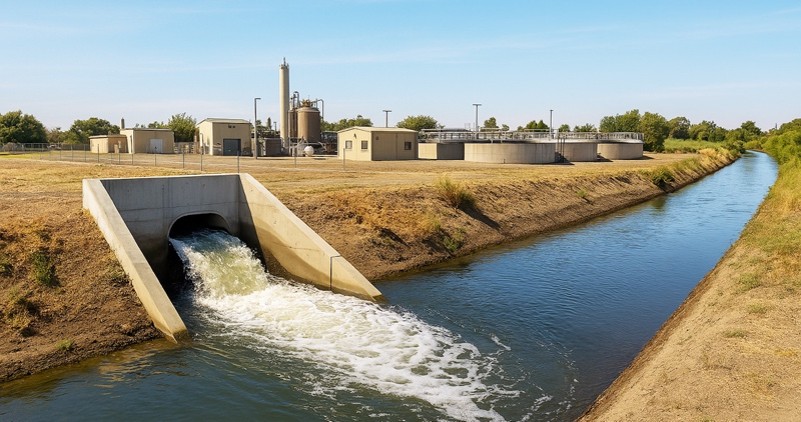
In communities like Atwater and across California’s Central Valley, water quietly connects places that may seem far apart. Industrial facilities, municipal wastewater treatment plants, agricultural drains, and rivers are all linked by flows that move day and night beneath our feet and across the landscape. One of the least visible, but most important, links in this chain is the industrial effluent that is discharged to publicly owned treatment works (POTWs) and ultimately makes its way to the region’s rivers, including the San Joaquin.
Most food processors and industrial manufacturers in the Central Valley do not discharge wastewater directly to rivers or canals. Instead, they are indirect dischargers, sending their effluent to local POTWs such as the City of Atwater’s Regional Wastewater Treatment Facility. These municipal plants are designed primarily to treat domestic sewage, but they also accept industrial wastewater under strict pretreatment rules that exist for one simple reason: to prevent pollutants from “passing through” the treatment plant untreated and harming downstream waters.
Under the federal and state pretreatment programs, industries are prohibited from discharging wastewater that would interfere with a POTW’s biological processes or pass through the facility in concentrations that could cause violations of its discharge permit. This means controlling parameters that are common to food and beverage processing—fats, oils, and grease (FOG); biochemical oxygen demand (BOD); suspended solids; and, increasingly, salinity. Local limits, industrial discharge permits, monitoring, and reporting requirements are all part of the framework that ensures POTWs can do their job.
Atwater’s POTW, like many in the Central Valley, treats its influent to tertiary standards before discharging treated effluent to surface waters, in this case, the Peck/Atwater Drain. That drain ultimately connects to the Bear Creek system and, farther downstream, to the San Joaquin River. While the journey may take miles and days, the connection is direct. What enters the sewer system in Atwater is, after treatment, part of the hydrology of the San Joaquin Basin. The San Joaquin River itself is no stranger to stress. It is one of California’s most heavily managed rivers and is frequently listed as impaired by salinity and other constituents. Salinity in the river does not come from a single source; it is the cumulative result of agricultural drainage, municipal discharges, industrial contributions, and natural geology. When salinity levels rise too high, they can affect downstream agricultural use, aquatic ecosystems, and water deliveries.
To manage this problem, water agencies are sometimes required to release additional fresh water from upstream reservoirs to dilute salts and keep river salinity below regulatory thresholds. These releases are costly, complex, and increasingly difficult to sustain in an era of drought and climate variability. Every pound of salt kept out of the system upstream reduces pressure on these downstream fixes.
This is where incremental improvements at individual facilities matter. New Logic currently has a pending order for a VSEP reverse osmosis (RO) system to treat wastewater from a food processing company in the Central Valley. In this project, the RO permeate will be discharged to the local POTW. By removing FOG, reducing BOD, and significantly lowering salinity before the wastewater ever reaches the municipal plant, the system helps the POTW operate more efficiently and reduces the pollutant mass ultimately discharged to surface waters.
It is important, however, to keep this achievement in perspective. One RO system at one facility, even a well‑designed one, is only a small piece of a very large puzzle. The Central Valley is home to thousands of food processors, dairies, manufacturing plants, and other industrial operations, all contributing in small and large ways to the quality of shared waters. POTWs serve as critical guardians at the boundary between these sources and the environment, but they cannot solve the problem alone.
Improving the health of the San Joaquin River will require continued investment across the entire system: better source control at industrial facilities, upgrades and optimization at municipal treatment plants, improved agricultural drainage management, and broader water‑management strategies that recognize the cumulative nature of salinity and other impairments. Technologies like VSEP RO demonstrate what is possible when treatment moves upstream, closer to the source. The next challenge is scaling that mindset across an entire region. From factory floors in Atwater to riverbanks dozens of miles away, cleaner water is the result of thousands of decisions made every day. Each improvement matters, but lasting change will come only when many more follow.
Thank you for subscribing to our newsletter. I hope you find it informational and fun. You are one of 3,600 professionals and industry stakeholders who receive this newsletter each month.
